

Sleep expert Annette Faamausili shares what 'awake windows' are in the world of baby sleep and why they may be useful.
Navigating your baby’s sleep can feel overwhelming, especially in the early days. How long should your little one be awake? When is the best time for a nap? The secret to setting up healthy sleep habits often begins with one simple concept. Enter, awake windows!
Awake windows refer to the period your baby is awake between naps or before bedtime. These windows play a role in ensuring your baby gets the right balance of awake time and rest throughout the day. When your baby has been awake for an appropriate length of time, they’re more likely to fall asleep easily, stay asleep longer, and wake feeling well-rested.
Every baby is different. If your little one seems cranky or struggles to stay awake, aim for the shorter end of the range. If they are happy, engaged, and energetic, they may be ready to stretch toward the longer end. You know your baby best!
While tired signs like yawning, eye rubbing, and fussiness, can be helpful, they’re not always reliable. Babies often show signs of tiredness after just an hour or so of being awake, which might simply reflect a natural dip in energy rather than a genuine need for sleep.
That’s why it’s important to watch both the clock and your baby’s cues. By combining an understanding of awake windows with your baby’s signals, you can find their 'sweet spot' for sleep and help them rest better throughout the day.
By tuning into awake windows, you’ll be better equipped to support your baby’s natural sleep rhythms, leading to easier settling, longer naps, and a more rested family.

Annette Faamausili is a baby and child sleep expert and has been advising and supporting parents since 2001. She trained and qualified in the NHS, UK, and moved to New Zealand with her Samoan husband and family in 2011. Annette has three children and lives on the beautiful Whangaparaoa Peninsula in Auckland. Find her at serenesleep.co.nz.

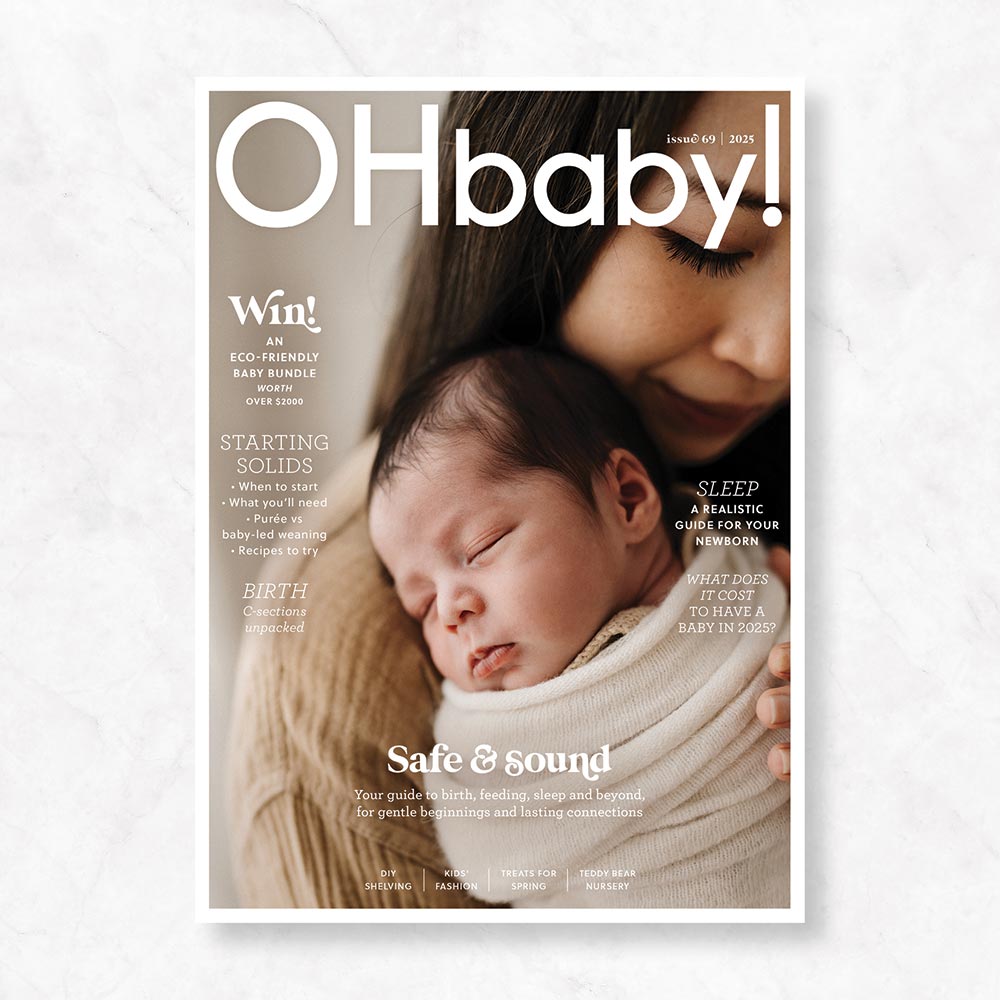
AS FEATURED IN ISSUE 69 OF OHbaby! MAGAZINE. CHECK OUT OTHER ARTICLES IN THIS ISSUE BELOW
Cookie Policy | Terms & Conditions | Privacy policy | Copyright © 2026 www.ohbaby.co.nz. All Rights reserved.