

Your monthly cycle is speaking, are you listening? Clinical nutritionist, founder of Odi, and powerhouse mama of four Gina Urlich explains...
Understanding your menstrual cycle is one of the most empowering acts of self-care. It allows us to sync with our body's natural rhythm, rather than resisting or overriding it. Far from being a monthly inconvenience, your cycle is a vital sign, a monthly report card that reflects your internal health, emotional balance, nutritional status, and overall wellbeing. It really tells us so much. By tracking it, nourishing it, and working with it rather than against it, you begin a journey toward deep connection and body literacy.
Ovulation has been described as a "creator and indicator of good health." It’s not just about fertility; it's a critical event for hormone balance and long-term health. Every ovulatory cycle deposits protective hormones like estrogen and progesterone, which are fuel for brain health, strong bones, metabolic balance, thyroid function, and mood regulation.
Isn't it miraculous to be a woman!

Each month you ovulate, your body produces estradiol and progesterone, hormones that reduce inflammation, support immunity, regulate the thyroid, and protect the brain, heart, bones, and breasts. Ovulatory cycles help prevent conditions like osteoporosis, stroke, dementia, and breast cancer. When you don’t ovulate (anovulatory cycles), your body misses out on these benefits.
Regular ovulation is also a signal of good health, cycles become irregular when something is off internally. Understanding why ovulation may not be occurring is essential.

+ Hormonal Birth Control: Hormonal contraception suppresses ovulation and replaces natural hormones with synthetic drugs like ethinylestradiol and levonorgestrel. These lack the benefits of natural estrogen and progesterone and can negatively affect mood, libido, and even brain structure. Importantly, no form of hormonal birth control contains real progesterone.
+ Undereating and low-carb diets: Hypothalamic amenorrhea is the loss of menstruation due to insufficient energy intake. It’s the body’s way of pausing reproduction when food is scarce. Restricting carbohydrates can further stress the system, especially for active women.
+ Polycystic Ovary Syndrome: PCOS is characterised by high androgens and insulin resistance, leading to irregular or absent ovulation. Managing insulin through blood sugar balance, movement, and supplements can restore cycles.

Rather than strict diets, I encourage clients to “eat to feel good.” Meals should satisfy and nourish, not deprive. Satiety comes from balanced meals rich in protein, fat, fibre, and complex carbohydrates. This approach helps stabilise blood sugar, reduce cravings, and support consistent ovulation.
Whole Foods
+ Protein: eggs, lamb, beef, chicken, legumes.
+ Healthy fats: olive oil, avocado, seeds, oily fish.
+ Fibre + resistant starch: potatoes, oats, legumes.
+ Avoid high-dose fructose like processed sugar, fruit juice, lots of dates, and agave, which may increase appetite and lead to blood sugar instability.
Protein Goals
Aim for at least 1g of protein per kilogram of ideal body weight daily. Protein fuels your brain, hormones, and metabolism.

+ Iron: vital for energy, immunity, and oxygen transport. Sources: beef, lamb, mussels, eggs, dates, leafy greens. Pair plant sources with vitamin C. Avoid tea/coffee at meals to enhance absorption.
+ Iodine: supports thyroid and ovarian function. Found in seaweed, seafood, and iodised salt. If not consumed regularly, consider supplementation.
+ Selenium: needed for progesterone production and thyroid health Brazil nuts (2-4 daily) are the richest source.
+ Zinc: supports ovulation, immunity, and skin health. Sources: oysters, beef, eggs, pumpkin seeds.
+ Vitamin D: crucial for bones, hormones, immunity, and mood. Sunlight is best but consider supplementing in winter or if deficient.
The hypothalamus in our brain constantly monitors for danger, elevated cortisol from stress or caffeine can signal the brain to delay ovulation. If your body doesn’t feel safe, it won’t prioritise reproduction. Practices like breathwork, meditation, restorative yoga, nature walks, and digital detoxing help reassure your nervous system.
+ Breakfast: scrambled eggs with spinach and avocado on sourdough'
+ Snack: Brazil nuts and a hard-boiled egg.
+ Lunch: slow-cooked lamb with roast kumara, greens, and sauerkraut.
+ Snack: chia pudding with berries and coconut cream.
+ Dinner: grilled salmon with quinoa, steamed broccoli, and tahini dressing.
+ Optional: chamomile tea and magnesium before bed.
Despite abundant food availability, many women remain undernourished. Investing in nutrient-dense whole foods is the foundation of hormonal health. Food is more than fuel, it’s information for your cells, your hormones, and your future health.
Many women feel a natural synchronicity with the moon. Menstruating with the new moon and ovulating with the full moon mirrors nature’s cycles. Tuning into the lunar phases fosters mindfulness and a deeper connection to your feminine rhythms.
Your menstrual cycle is not something to dread, it’s a sacred rhythm, a mirror of your internal health, and a superpower when honoured. We can embrace each phase as an opportunity to reconnect, rebalance, and rise into our fullest expression.
Start tracking. Start listening. Your body is always speaking, your cycle is it’s language.
Gina is the founder and owner of successful clinic and online platform @gina.urlich, founder of odinutrition.co.nz, and mum of four. Gina holds a BHSc in Nutritional Medicine and has a background in nursing. To work with Gina and her team visit ginaurlich.co.nz.

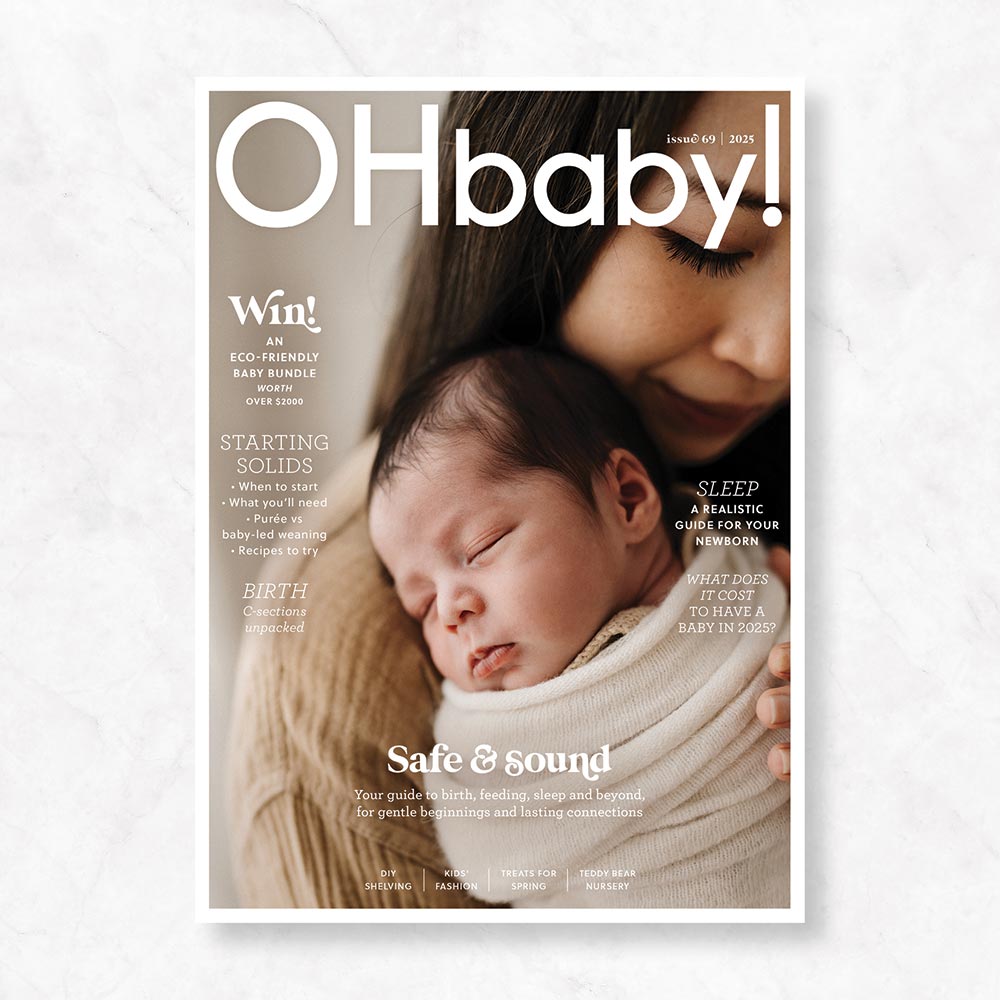
AS FEATURED IN ISSUE 69 OF OHbaby! MAGAZINE. CHECK OUT OTHER ARTICLES IN THIS ISSUE BELOW
Cookie Policy | Terms & Conditions | Privacy policy | Copyright © 2026 www.ohbaby.co.nz. All Rights reserved.